
Exploring the financial benefits of home improvement siding, this article delves into how exterior renovation can actually pay for itself. With a focus on practicality and value, it sheds light on the often overlooked aspects of siding upgrades, offering a fresh perspective on enhancing your property.
Importance of Home Improvement Siding
Home improvement siding plays a crucial role in enhancing the overall look and feel of a house while providing essential protection from various elements.
Enhancing Curb Appeal
One of the key benefits of home improvement siding is its ability to enhance the curb appeal of a property. The exterior of a house is the first thing that visitors or potential buyers notice, and having high-quality siding can significantly improve the overall aesthetic appeal of the home.
Protection from Elements
Siding acts as a protective barrier against external elements such as rain, snow, wind, and UV rays. It helps to prevent moisture from seeping into the walls of the house, reducing the risk of mold, mildew, and other potential damage caused by water infiltration. Additionally, siding can help to insulate the home, improving energy efficiency and reducing heating and cooling costs.
Types of Siding Materials
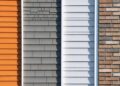
When it comes to home improvement siding, choosing the right material is crucial for both aesthetic appeal and durability. Let's compare different siding materials like vinyl, wood, fiber cement, and more to help you make an informed decision.Vinyl Siding
- Pros: Affordable, low maintenance, comes in a variety of colors and styles.
- Cons: Not as durable as other materials, can crack or fade over time.
Wood Siding
- Pros: Natural look, environmentally friendly, can be painted or stained.
- Cons: Requires regular maintenance, susceptible to rot and pests.
Fiber Cement Siding
- Pros: Durable, fire-resistant, low maintenance, can mimic the look of wood or stucco.
- Cons: Higher initial cost, may require professional installation.
Brick Siding
- Pros: Long-lasting, low maintenance, excellent insulation properties.
- Cons: Expensive upfront cost, installation can be labor-intensive.
Stone Veneer Siding
- Pros: Elegant look, lightweight, can increase home value.
- Cons: Costly, may require additional structural support.
Return on Investment (ROI) Factors
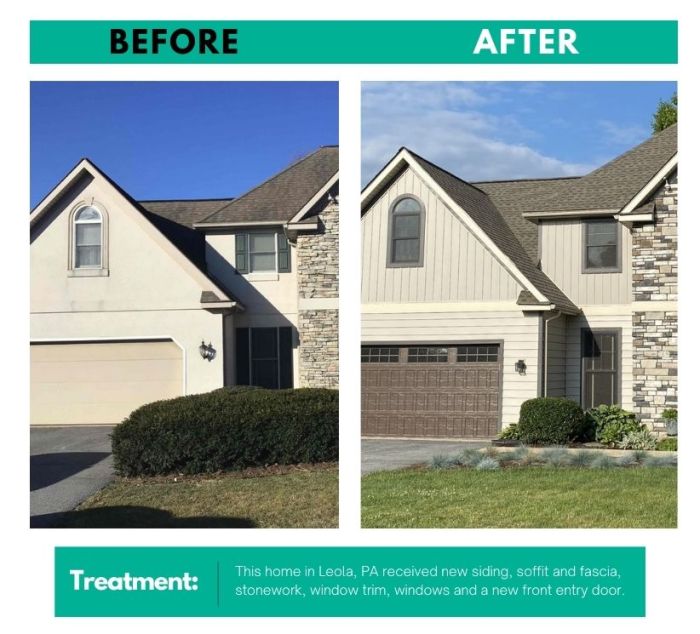
When it comes to home improvement siding, there are several factors that contribute to the return on investment.
Increased Property Value
Upgrading your siding can significantly increase the value of your property. Potential buyers are often willing to pay more for a home with updated and well-maintained siding, enhancing the overall curb appeal.
Energy-Efficient Siding
Investing in energy-efficient siding can lead to cost savings over time. By improving the insulation and reducing energy loss, homeowners can lower their utility bills and see a return on their investment through reduced energy expenses.
Impact of Siding Quality on Maintenance Costs
The quality of siding you choose can have a direct impact on long-term maintenance costs. High-quality siding materials are more durable and require less upkeep, saving homeowners money on repairs and replacements in the future.
Cost vs. Value Analysis
When considering home improvement projects like siding installation, it is essential to weigh the cost against the potential added value to the propertyCost of Siding Installation vs. Added Value
- According to the Remodeling 2021 Cost vs. Value Report, the average cost of siding replacement with fiber cement is around $17,008, with an estimated resale value of $13,195, resulting in a recoup rate of about 77.6%.
- On the other hand, vinyl siding replacement costs approximately $14,359 on average, with a resale value of $10,731, yielding a recoup rate of approximately 74.7%.
Impact of Different Siding Materials on Home Resale Value
- Fiber cement siding is known to have a higher impact on home resale value due to its durability, low maintenance, and aesthetic appeal. It is often favored by buyers, leading to a potential increase in property value.
- Wood siding, while offering a classic and natural look, may require more maintenance over time. However, in certain regions where wood siding is highly desirable, it can significantly boost home resale value.
- Vinyl siding, although more affordable than other materials, may not contribute as much to home resale value compared to fiber cement or wood siding. It is important to consider buyer preferences in the local market.
Regions with Higher ROI for Siding Materials
- In coastal areas prone to humidity and salt exposure, fiber cement siding may offer a higher ROI due to its resistance to moisture and durability against harsh weather conditions.
- In regions with a preference for traditional or rustic aesthetics, wood siding can provide a higher ROI as it enhances the overall appeal of the property and aligns with local architectural styles.
- For areas with a focus on energy efficiency and sustainability, insulated vinyl siding may offer a higher ROI by improving the home's insulation and reducing energy costs, which can be attractive to eco-conscious buyers.
Financing Options for Siding Projects
When it comes to investing in siding for your home, there are several financing options available to help offset the cost of renovation. Understanding these options can assist homeowners in budgeting effectively and maximizing their return on investment.
Loans for Siding Projects
One common financing option for siding projects is to take out a home improvement loan. These loans can provide homeowners with the necessary funds to cover the cost of materials and labor. It's essential to research different loan options, such as personal loans, home equity loans, or home equity lines of credit, to determine the best fit for your financial situation.
Rebates and Incentives
Another way to finance siding projects is to look for rebates or incentives offered by manufacturers or government programs. These rebates can help lower the overall cost of the renovation, making it more affordable for homeowners. Be sure to check with local utility companies or government agencies to see if there are any available incentives for energy-efficient siding materials.
Budgeting Tips for Siding Projects
When budgeting for a siding project, it's essential to consider the overall cost of materials, labor, and any additional expenses that may arise during the renovation. To maximize your ROI, prioritize high-quality materials that offer durability and energy efficiency. Additionally, obtaining multiple quotes from contractors can help you compare costs and find the best deal for your budget.
Outcome Summary
In conclusion, The ROI of Home Improvement Siding: How Exterior Renovation Pays for Itself underscores the smart investment choices homeowners can make to not only improve their living space but also potentially increase their property's value. By understanding the intricacies of siding materials and the impact on ROI, you're better equipped to make informed decisions for your home.
Detailed FAQs
What are the best siding materials for maximizing ROI?
Fiber cement and vinyl siding are common choices known for their durability and cost-effectiveness, often providing a high return on investment.
How does siding impact energy costs?
Energy-efficient siding can help reduce heating and cooling expenses by improving insulation and minimizing air leakage, resulting in long-term cost savings.
Is it worth financing a siding project?
Financing options can make a significant difference in affording quality siding renovations, potentially increasing property value and overall satisfaction with your home.