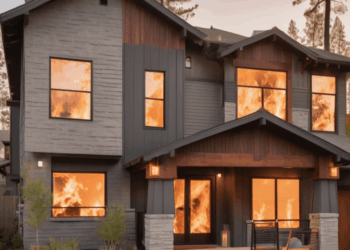

Exploring the latest trends in modern home improvement siding for coastal properties in the US and Australia opens up a world of possibilities. From innovative materials to captivating design trends, this topic delves into the essential elements that define the coastal aesthetic.
The following paragraphs will provide detailed insights into the various aspects of modern siding trends and how they enhance the beauty and functionality of coastal homes.
Modern Siding Materials
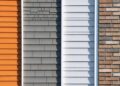
When it comes to modern coastal home improvement, there are several siding materials that are gaining popularity due to their durability, aesthetic appeal, and sustainability.Fiber Cement Siding
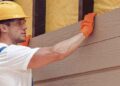
Fiber cement siding is a popular choice for coastal properties due to its durability and resistance to harsh weather conditions such as saltwater exposure and high winds. It is also fire-resistant, making it a suitable option for areas prone to wildfires. Additionally, fiber cement siding comes in a variety of textures and finishes, allowing homeowners to achieve the desired look for their coastal home.Engineered Wood Siding
Engineered wood siding offers the aesthetic appeal of traditional wood siding without the drawbacks of susceptibility to rot, insects, and moisture damage. It is more stable and durable, making it a practical choice for coastal properties where moisture levels are higher. Engineered wood siding is also available in a range of colors and styles to complement the coastal aesthetic.Vinyl Siding
Vinyl siding is a cost-effective option for coastal homes, offering low maintenance and durability. It is resistant to saltwater corrosion and does not require painting, making it an attractive choice for homeowners looking for a hassle-free siding material. Vinyl siding is available in a wide range of colors and styles, allowing for customization to suit individual preferences.Sustainable Siding Options
For eco-conscious homeowners, there are sustainable siding options available that are made from recycled materials or renewable resources. These materials not only reduce the environmental impact of home improvement projects but also offer long-term benefits in terms of energy efficiency and durability. Examples of sustainable siding materials include recycled plastic composites, reclaimed wood, and bamboo siding.Design Trends
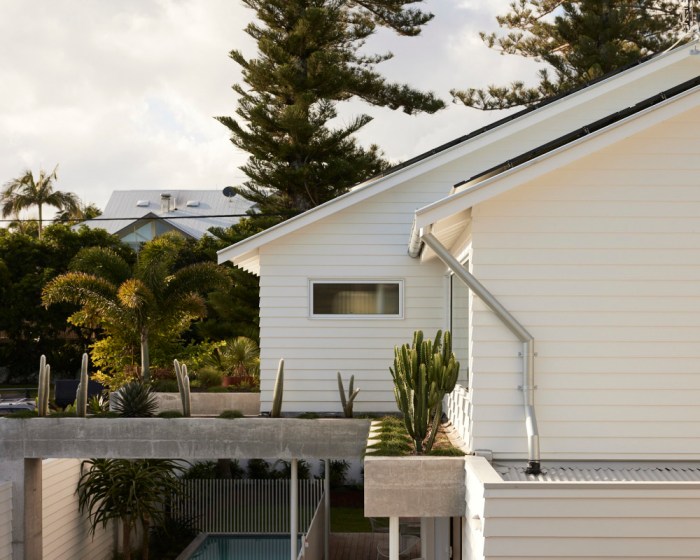 In coastal areas of the US and Australia, siding design trends play a crucial role in enhancing the overall aesthetics of homes while also ensuring durability against the harsh coastal environment.
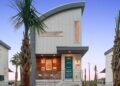
Integration of Natural Elements
Modern siding designs for coastal properties often incorporate natural elements such as wood, stone, or even seagrass to seamlessly blend with the surrounding landscape. This integration not only enhances the visual appeal but also creates a sense of harmony with nature.Color Palette Inspired by the Coast
The color palette for coastal siding designs is often influenced by the colors of the sea, sky, and sandy beaches. Soft blues, greens, sandy beige, and crisp whites are commonly used to reflect the coastal environment and create a serene atmosphere.Architectural Details
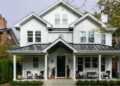
Siding designs for coastal homes often feature architectural details like board and batten, shiplap, or scalloped edges to add visual interest and enhance the overall charm of the property. These details not only provide a unique character but also help protect the home from the elements.Modern Materials with Coastal Appeal
Incorporating modern materials like fiber cement or composite siding with a coastal appeal, such as weathered wood finishes or textured surfaces, is a popular trend. These materials offer the durability required for coastal properties while also providing a contemporary look.Seamless Indoor-Outdoor Transition
Siding designs that allow for a seamless transition between indoor and outdoor spaces are gaining popularity in coastal properties. Features like large windows, sliding doors, or covered porches enhance the connection to the coastal landscape and blur the boundaries between inside and outside.Color Palette and Finishes
When it comes to modern coastal home siding, the color palette and finishes play a crucial role in enhancing the overall aesthetic appeal of the property. The right combination can evoke a sense of tranquility, freshness, and blend seamlessly with the coastal surroundingsPreferred Color Palettes for Modern Coastal Home Siding
- Soft Neutrals: Shades of white, beige, gray, and taupe are popular choices for coastal properties as they reflect the natural elements of sand, sea, and sky.
- Blues and Greens: Light blues, aquas, and seafoam greens are ideal for creating a calming and serene atmosphere, mimicking the colors of the ocean.
- Earthy Tones: Warm browns, terracottas, and olive greens can add a touch of earthiness and warmth to the exterior of coastal homes.
Significance of Different Finishes in Coastal Home Siding
- Matte Finishes: Matte finishes offer a more understated and elegant look, perfect for creating a modern and sophisticated appearance.
- Glossy Finishes: Glossy finishes can reflect light and create a sleek, contemporary feel, adding a touch of luxury to the coastal property.
- Textured Finishes: Textured finishes can add depth and visual interest to the siding, mimicking natural materials like wood or stone for a more organic look.
Impact of Color and Finishes on Coastal Property
- The right color palette can enhance the architectural features of the home and complement the coastal landscape, creating a harmonious blend with the surroundings.
- Choosing the appropriate finish can influence the perceived texture and style of the siding, contributing to the overall character of the property.
- Color and finishes can also affect the property's curb appeal, making it more inviting and visually appealing to residents and visitors alike.
Maintenance and Longevity
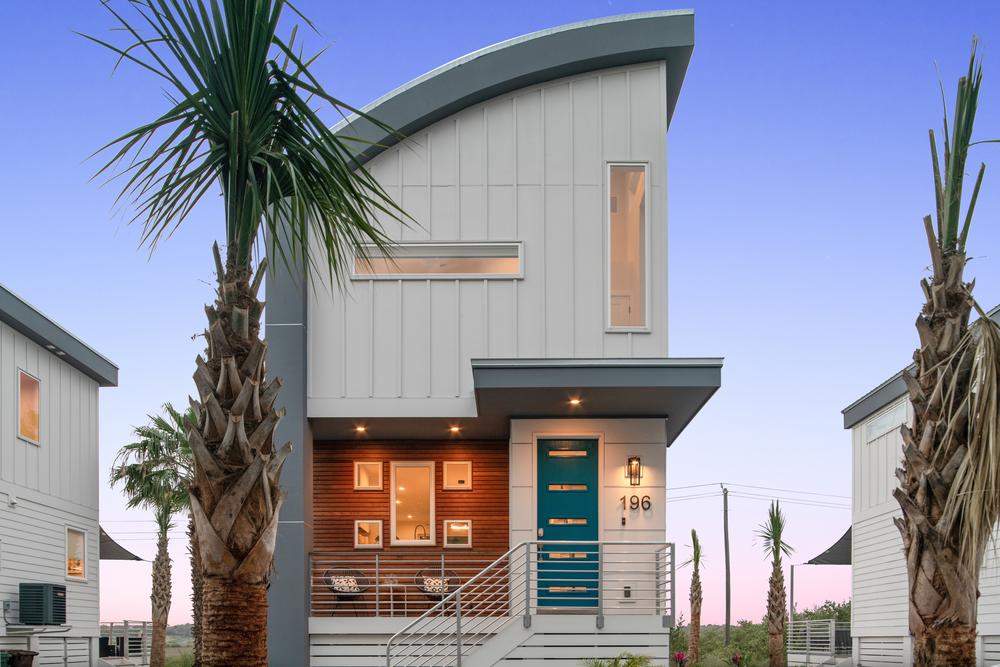
When it comes to modern siding materials in coastal areas with high humidity and salt exposure, maintenance plays a crucial role in ensuring longevity and durability.
Maintenance Requirements
- Regular cleaning: Siding should be cleaned periodically to remove salt residue and dirt buildup using a mild detergent and water solution.
- Inspection for damage: Check for any cracks, chips, or signs of wear and tear, and address them promptly to prevent further damage.
- Sealing and painting: Properly seal and paint the siding to protect it from moisture and salt air, enhancing its lifespan.
Longevity of Siding Materials
- Vinyl siding: Known for its durability, vinyl siding can last up to 50 years with proper maintenance in coastal areas.
- Fiber cement siding: Resistant to moisture and salt, fiber cement siding can have a lifespan of 25-50 years depending on maintenance practices.
- Wood siding: With regular maintenance like staining and sealing, wood siding can last around 20-40 years in coastal environments.
Tips for Prolonging Lifespan
- Trim vegetation: Keep plants and trees trimmed away from the siding to prevent moisture retention and damage.
- Monitor drainage: Ensure proper drainage around the property to prevent water buildup near the siding.
- Annual inspections: Schedule annual inspections to identify any issues early on and address them promptly.
Summary
In conclusion, the evolution of siding materials, design trends, color palettes, and maintenance practices for coastal properties reflects a harmonious blend of style and functionality. Embracing these modern trends can truly transform any coastal home into a stunning retreat that resonates with the surrounding environment.
Essential Questionnaire
What are the most popular siding materials for coastal properties?
Popular siding materials for coastal properties include fiber cement, vinyl, and engineered wood due to their durability and resistance to coastal elements.
How do siding designs enhance the coastal landscape?
Siding designs can complement the coastal landscape by incorporating colors and textures that mimic the natural surroundings, creating a seamless integration with the environment.
What are the recommended maintenance practices for coastal siding?
Regular cleaning, inspections for damage, and resealing are essential maintenance practices to prolong the lifespan of siding in coastal areas exposed to high humidity and salt.