
How Home Improvement Siding Affects Your Annual Homeowners Insurance Premiums sets the stage for this enthralling narrative, offering readers a glimpse into a story that is rich in detail with a casual formal language style and brimming with originality from the outset.
Exploring the importance and impact of siding on insurance costs, this article delves into various aspects of home improvement siding and its connection to homeowners' insurance premiums.
Importance of Home Improvement Siding
Home improvement siding plays a crucial role in protecting your home from various elements and enhancing its overall aesthetic appeal.
Purpose of Home Improvement Siding
Home improvement siding serves as a protective barrier for your home, shielding it from harsh weather conditions such as rain, snow, wind, and UV rays. Additionally, siding helps to insulate your home, improving energy efficiency and reducing heating and cooling costs.
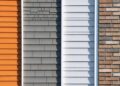
Types of Siding Materials
- Vinyl: Affordable, low maintenance, and available in a wide range of colors and styles.
- Wood: Traditional and timeless look, but requires more maintenance to prevent rot and pests.
- Fiber Cement: Durable, fire-resistant, and resistant to rot and pests.
- Aluminum: Lightweight, easy to install, and resistant to rust and corrosion.
- Brick: Classic and durable option, offering excellent insulation properties.
Enhancing Aesthetic Appeal
Siding can drastically transform the look of your home, increasing curb appeal and property value. With various colors, textures, and styles available, you can choose siding that complements your home's architectural style and personal taste.
Protecting Your Home
By acting as a barrier against moisture, wind, and sunlight, siding helps prevent water damage, mold growth, and structural issues. Properly installed and maintained siding can extend the lifespan of your home's exterior and reduce the need for costly repairs in the long run.
Factors Influencing Homeowners Insurance Premiums
When it comes to determining homeowners insurance premiums, insurance companies take several factors into consideration to assess the level of risk associated with insuring a particular property. The quality of home improvement siding plays a crucial role in this assessment, as it directly impacts the overall safety and durability of a home.
Examples of Factors Considered by Insurance Companies
- The age and condition of the property
- Location of the property
- Previous insurance claims
- Security measures in place
- Quality of construction materials, including siding
Impact of Siding Quality on Insurance Costs
The type of siding used in home improvement projects can significantly affect insurance costs. High-quality, durable siding materials are less prone to damage from natural disasters or other hazards, reducing the risk for insurance companies. On the other hand, low-quality siding may increase the likelihood of damage and lead to higher premiums.
Relationship Between Siding Materials and Risk of Damage
The choice of siding materials can influence the risk of damage to a home. For example, vinyl siding is known for its durability and resistance to moisture, making it a lower-risk option for insurance companies. In contrast, wood siding may be more susceptible to rot, pests, and fire damage, which could pose higher risks and result in increased premiums.
Siding Types and Insurance Premiums
- Low-Risk Siding: Materials like vinyl or fiber cement siding are often considered low-risk by insurance companies due to their durability and resistance to damage, potentially leading to lower premiums.
- High-Risk Siding: Siding materials such as wood or aluminum may be viewed as higher risk, as they are more prone to damage and deterioration, resulting in higher insurance premiums to offset the increased risk.
Mitigating Insurance Premiums through Siding Choices
When it comes to choosing siding materials for your home, not only do you want to consider aesthetics and durability, but also the impact it can have on your homeowners insurance premiums. By selecting the right siding options, you can potentially lower your insurance costs and ensure your home is adequately protectedStrategies for Choosing Siding Materials
- Opt for fire-resistant materials like fiber cement or metal siding, which can help reduce the risk of fire damage and lower insurance premiums.
- Consider impact-resistant siding options such as vinyl or engineered wood, which can withstand hail and other severe weather conditions, thus reducing the likelihood of claims.
- Choose siding materials that require minimal maintenance and are less susceptible to damage, as this can demonstrate to insurance companies that your home is well-maintained and lower the risk of claims.
Comparing Cost-Effectiveness of Siding Options
- Fiber cement siding may have a higher upfront cost compared to vinyl siding, but its durability and resistance to fire and pests can result in long-term savings on insurance premiums.
- Wood siding, while aesthetically pleasing, may require more maintenance and be prone to damage, potentially leading to higher insurance costs due to increased risk.
Tips for Maintaining Siding
- Regularly inspect your siding for any signs of damage, such as cracks, holes, or warping, and promptly address any issues to prevent further damage and insurance risks.
- Clean your siding periodically to remove dirt, mold, and mildew, which can compromise its integrity and lead to potential insurance claims.
Importance of Regular Inspections and Repairs
- Schedule annual inspections with a professional to assess the condition of your siding and identify any areas that may need repairs or replacement to maintain its protective qualities.
- Address any repairs promptly to prevent water infiltration, pest infestations, or other issues that can impact the integrity of your home and increase insurance risks.
Insurance Claims and Siding
When it comes to insurance claims and siding, the type of siding used in home improvements can play a crucial role in the claims process. Insurance companies often look at the quality, durability, and maintenance of the siding when assessing claims related to damage or issues.Siding Issues and Insurance Coverage
- Common scenarios where siding issues may be covered by insurance include damage from a storm, fire, vandalism, or other covered perils.
- However, cosmetic issues or wear and tear on siding may not typically be covered by insurance.
- Insurance companies may also consider the age of the siding, the material used, and whether proper maintenance was conducted when evaluating a claim.
Assessment of Siding-Related Claims
- Insurance adjusters may inspect the siding to determine the extent of the damage and assess if it was caused by a covered peril.
- Documentation such as photos, maintenance records, and repair invoices can help support a siding-related insurance claim.
- Insurance companies may also consider the cost of repairs or replacement of the siding when processing a claim.
Importance of Documentation and Maintenance
- Proper documentation of the condition of the siding before and after an incident can be crucial in the claims process.
- Regular maintenance of siding, such as cleaning, painting, and repairs, can help prevent issues and demonstrate to insurance companies that the homeowner has taken care of their property.
- Failure to maintain the siding properly may result in denied claims or reduced coverage from insurance companies.
Last Point
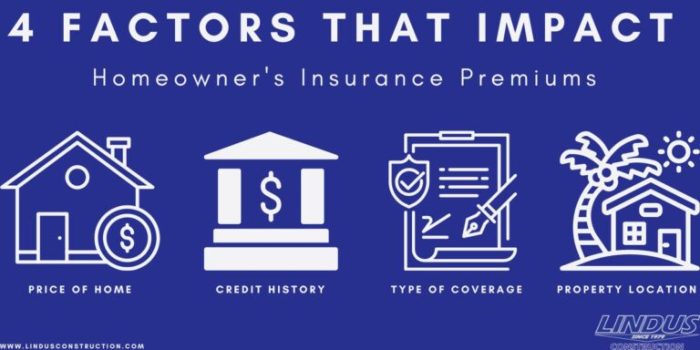
In conclusion, understanding the correlation between home improvement siding and homeowners insurance premiums is crucial for homeowners looking to make informed decisions about their property. By making wise choices in siding materials and maintenance, individuals can potentially save on insurance costs while enhancing the aesthetic appeal and protection of their homes.
Questions and Answers
How does the quality of siding affect insurance premiums?
The quality of siding can impact insurance costs as durable, high-quality materials may lead to lower premiums due to reduced risk of damage.
What are some strategies to lower insurance premiums through siding choices?
Choosing cost-effective siding materials and ensuring regular maintenance can help lower insurance premiums over time.
How does documentation play a role in insurance claims related to siding?
Proper documentation of siding installation, repairs, and maintenance is crucial for insurance claims to ensure coverage in case of damage.