
Beginning with Architectural Home Improvement Siding: Combining Aesthetics with Extreme Durability, the narrative unfolds in a compelling and distinctive manner, drawing readers into a story that promises to be both engaging and uniquely memorable.
Architectural siding plays a crucial role in enhancing the appearance and durability of homes. By combining aesthetics with extreme durability, homeowners can achieve a perfect balance of beauty and resilience in their siding choices. This article explores the key aspects of architectural home improvement siding, shedding light on the various materials, design considerations, and maintenance practices that contribute to a long-lasting and visually appealing exterior.
Introduction to Architectural Home Improvement Siding
Architectural siding plays a crucial role in enhancing the appearance and protection of a home. It serves as the outer covering of a building, providing both aesthetic appeal and durability against various elements.
Popular Architectural Siding Materials
- 1. Vinyl Siding: Known for its low maintenance and wide range of colors and styles, vinyl siding is a popular choice for homeowners looking for durability and aesthetics.
- 2. Fiber Cement Siding: This material offers the look of wood siding without the maintenance issues. It is resistant to fire, insects, and rot, making it a durable option for architectural siding.
- 3. Wood Siding: Despite requiring more upkeep, wood siding provides a classic and natural look that many homeowners appreciate. It can be stained or painted to match the desired aesthetic.
Benefits of Combining Aesthetics with Extreme Durability
By combining aesthetics with extreme durability in architectural siding, homeowners can achieve a balance between beauty and functionality. This approach ensures that the home not only looks appealing but also withstands the test of time and various weather conditions.
Types of Architectural Siding Materials
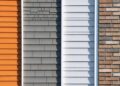
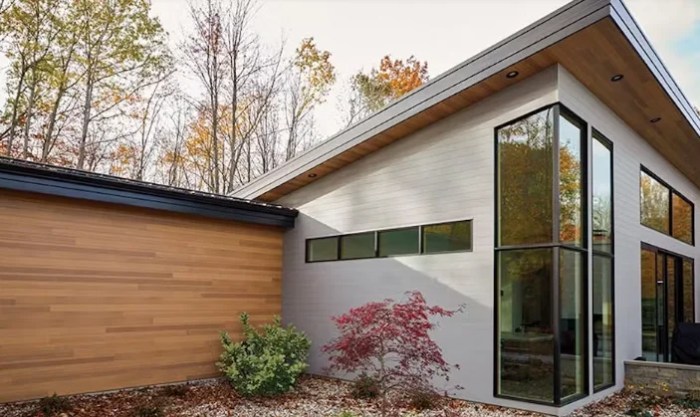 When it comes to architectural siding, there are several materials available in the market, each with its own unique features and benefits.Some of the most common types of architectural siding materials include fiber cement, vinyl, wood, metal, and stone. Let's compare and contrast the durability and aesthetic features of these materials to understand how they impact the overall look and longevity of the siding.
Fiber Cement Siding
Fiber cement siding is known for its durability and low maintenance requirements. It is resistant to rot, fire, and pests, making it a popular choice among homeowners. Additionally, fiber cement siding can mimic the look of wood or stucco, providing a versatile option for different architectural styles.Vinyl Siding
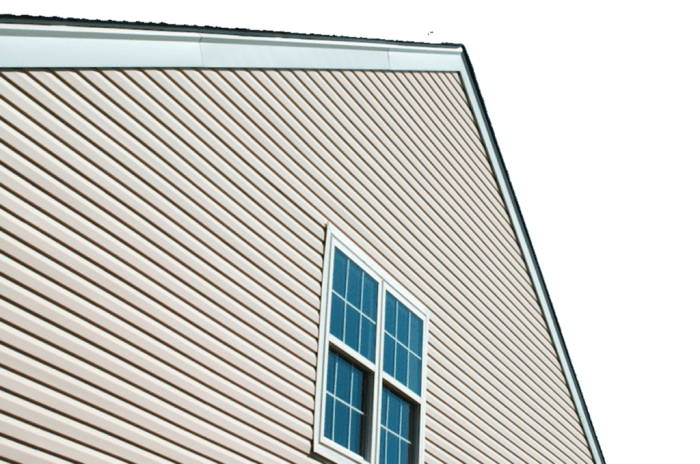
Vinyl siding is a cost-effective option that requires minimal maintenance. It comes in a variety of colors and styles, allowing homeowners to customize the look of their homes. While vinyl siding is not as durable as fiber cement, it is still a popular choice for its affordability and ease of installation.Wood Siding
Wood siding offers a natural and timeless aesthetic that can enhance the curb appeal of a home. However, it requires regular maintenance to prevent rot, mold, and insect damage. While wood siding can be more high-maintenance compared to other materials, many homeowners appreciate its classic look and feel.Metal Siding
Metal siding, such as steel or aluminum, is extremely durable and can withstand harsh weather conditions. It is also fire-resistant and requires minimal maintenance. Metal siding is available in various finishes and colors, providing a modern and sleek appearance for contemporary homes.Stone Siding
Stone siding, whether natural or manufactured, adds a luxurious and elegant look to a home. It is incredibly durable and can last for decades with proper care. While stone siding is one of the most expensive options, its timeless beauty and longevity make it a worthwhile investment for homeowners looking to enhance their home's exterior.Overall, the choice of architectural siding material can significantly impact the aesthetics and durability of a home. Homeowners should consider their budget, maintenance preferences, and desired look when selecting the right siding material for their property.Design Considerations for Architectural Siding
When selecting architectural siding for your home, it's essential to consider various design elements to ensure a cohesive and aesthetically pleasing lookSelecting the Right Color Palette and Texture
Choosing the right color palette and texture for your architectural siding is crucial in creating a harmonious exterior design. Consider the existing elements of your home, such as roof color, landscaping, and architectural style, to ensure that the siding complements these features. Neutral tones like beige, gray, or white are versatile options that can enhance the overall look of your home.
Enhancing Curb Appeal and Value
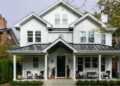
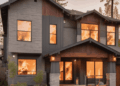
Architectural siding plays a significant role in enhancing the curb appeal and value of your home. A well-chosen siding material and color can instantly elevate the overall aesthetics of your property, making it more attractive to potential buyers. Additionally, high-quality siding that is properly maintained can increase the resale value of your home.
Importance of Proper Installation Techniques
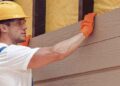
Proper installation techniques are crucial for maximizing the durability and longevity of your architectural siding. Ensure that the siding is installed by experienced professionals who follow manufacturer guidelines to prevent issues like warping, cracking, or water damage. Properly installed siding not only looks better but also functions more effectively in protecting your home from the elements.
Maintenance and Longevity of Architectural Siding
Proper maintenance is crucial in ensuring the longevity of architectural siding. By following specific strategies, you can protect your siding from weather damage and extend its lifespan.
Maintenance Requirements for Different Types of Architectural Siding Materials
Each type of architectural siding material has unique maintenance requirements to keep it looking great and functioning properly.
- Vinyl Siding: Vinyl siding is relatively low maintenance, requiring periodic cleaning with soap and water to remove dirt and grime. Inspect for any cracks or damage that may need repair.
- Wood Siding: Wood siding needs regular staining or painting to protect it from moisture and UV rays. Inspect for rot, mold, or insect damage regularly.
- Fiber Cement Siding: Fiber cement siding should be inspected for cracks or chips, and any damaged areas should be repaired promptly. Cleaning with a mild detergent can help maintain its appearance.
Strategies for Protecting Siding and Prolonging Its Lifespan
Implementing certain strategies can help protect your architectural siding from weather damage and ensure its longevity.
- Regular Cleaning: Regularly clean your siding to remove dirt, mildew, and other debris that can cause damage over time.
- Pruning Trees and Shrubs: Trim trees and shrubs near your home to prevent branches from scratching or damaging the siding during storms.
- Inspect for Damage: Regularly inspect your siding for any signs of damage, such as cracks, chips, or loose panels, and address them promptly.
Regular Maintenance for Ensuring Durability of Architectural Siding
Consistent and regular maintenance is key to ensuring the durability of architectural siding over time.
- Annual Inspections: Schedule annual inspections to check the condition of your siding and address any issues before they worsen.
- Sealing and Repairs: Seal any gaps or cracks in the siding to prevent moisture infiltration, and repair any damage promptly to avoid further deterioration.
- Painting or Staining: Maintain the finish of your siding by repainting or restaining it as needed to protect it from the elements.
Final Conclusion
In conclusion, Architectural Home Improvement Siding offers a harmonious blend of aesthetics and durability, making it a popular choice for homeowners looking to enhance the beauty and longevity of their properties. By carefully considering the material, design, and maintenance aspects discussed in this article, individuals can embark on a seamless journey towards achieving a stylish and robust architectural siding for their homes.
Helpful Answers
What are the most popular architectural siding materials for combining aesthetics with extreme durability?
Fiber cement, vinyl, wood, metal, and stone are commonly used materials known for their durability and aesthetic appeal in architectural siding projects.
How can architectural siding enhance the curb appeal of a home?
Architectural siding, with its diverse color palettes and textures, can significantly improve the external appearance of a home, adding a touch of style and sophistication that boosts curb appeal.