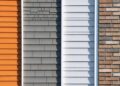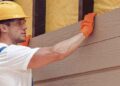

Embark on a journey through Eco-Friendly Home Improvement Siding Options for Sustainable Urban Living, where we explore the diverse range of sustainable materials that can enhance urban living spaces. This guide promises to shed light on the environmental benefits, cost-effectiveness, installation techniques, maintenance tips, energy efficiency, and design considerations of eco-friendly siding options.
Types of Eco-Friendly Siding Options
When considering eco-friendly siding options for sustainable urban living, there are several materials to choose from that offer both environmental benefits and cost-effectiveness.Reclaimed Wood
Reclaimed wood siding is a popular choice for eco-conscious homeowners as it involves repurposing old wood from sources like barns, warehouses, or other structures. This option not only adds a unique aesthetic to your home but also reduces the demand for new lumber, helping to preserve forests and natural habitats.Fiber Cement
Fiber cement siding is a durable and low-maintenance option made from a blend of cement, sand, and cellulose fibers. It is resistant to fire, insects, and rot, making it a long-lasting choice for urban environments. Additionally, fiber cement siding is energy-efficient and can be recycled at the end of its lifespan.Recycled Metal
Using recycled metal siding, such as aluminum or steel, is another eco-friendly option for urban homes. Metal siding is highly durable, weather-resistant, and can be recycled repeatedly without losing its quality. This makes it a sustainable choice that reduces waste and energy consumption.Bamboo
Bamboo siding is a renewable and fast-growing material that offers a unique look to your home. As one of the fastest-growing plants on Earth, bamboo is a sustainable alternative to traditional wood siding. It is also biodegradable and can be harvested without causing harm to the environment.Natural Stone
While natural stone siding may have a higher initial cost, it is a durable and long-lasting option that requires minimal maintenance. Stone siding is a natural material that adds a timeless and elegant look to your home while reducing the need for frequent replacements or repairs.Installation Process and Techniques
Installing eco-friendly siding options involves specific steps and techniques to ensure a proper and efficient installation. It is essential to follow the correct procedures and use the appropriate tools and equipment for the job.Preparation and Planning
Before starting the installation process, it is crucial to prepare the area where the siding will be installed. This involves cleaning the surface, removing any existing siding, and ensuring that the area is level and free of any obstacles. It is also important to measure and cut the siding panels accurately to fit the dimensions of the wall.Tools and Equipment
The tools and equipment required for installing sustainable siding may vary depending on the specific type of siding chosen. However, some common tools include a hammer, nails or screws, a level, a tape measure, a saw for cutting the siding panels, and safety gear such as gloves and goggles. It is essential to have all the necessary tools on hand before starting the installation process to ensure a smooth workflow.Installation Techniques
When installing eco-friendly siding, it is important to follow the manufacturer's instructions carefully. This may include specific guidelines for fastening the siding panels, overlapping them correctly, and sealing any gaps to prevent water infiltration. Additionally, it is crucial to work methodically and pay attention to detail to ensure a professional-looking finish.Maintenance and Care
Once the eco-friendly siding is installed, it is essential to maintain it properly to ensure its longevity and performance. This may involve regular cleaning, inspecting for any signs of damage or wear, and addressing any issues promptly to prevent further damage. By taking care of the siding, you can maximize its durability and sustainability benefits for years to come.Maintenance and Longevity
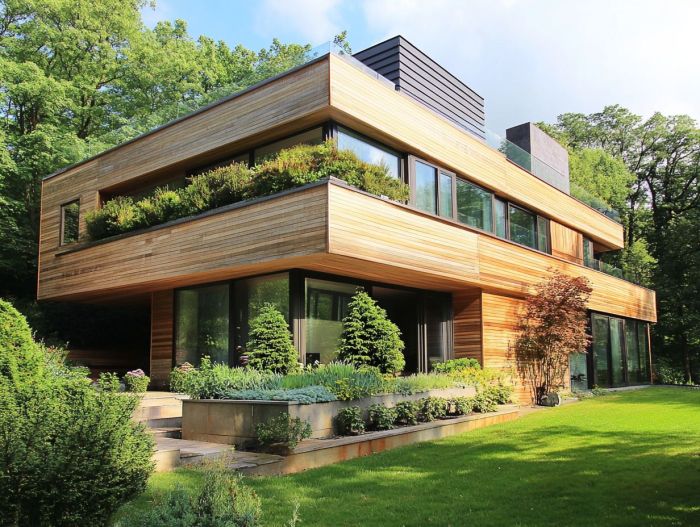 Maintaining eco-friendly siding materials is crucial to ensure their longevity and sustainability. By following proper care and maintenance practices, you can prolong the lifespan of these sustainable siding options and address any common issues or damages effectively.
Maintenance Requirements
- Regular Cleaning: Keep your siding clean by washing it with water and mild soap to remove dirt, dust, and other debris.
- Inspection: Periodically inspect the siding for any signs of damage, such as cracks, warping, or discoloration.
- Sealing and Painting: Depending on the material, consider resealing or repainting the siding to protect it from the elements.
- Pest Control: Implement pest control measures to prevent insects or animals from damaging the siding.
Tips for Prolonging Lifespan
- Trim Vegetation: Keep plants and trees trimmed to prevent them from touching or rubbing against the siding.
- Avoid Harsh Chemicals: Use gentle cleaning solutions to avoid damaging the eco-friendly material.
- Regular Inspections: Check the siding regularly to catch any issues early and address them promptly.
- Proper Installation: Ensure the siding is properly installed to prevent premature wear and tear.
Addressing Common Issues
- Cracks and Holes: Fill in any cracks or holes with appropriate filler material to prevent water infiltration.
- Discoloration: Use eco-friendly cleaning solutions or consult a professional for safe cleaning methods to restore the siding's color.
- Warping: Address warping issues by adjusting the siding's alignment or consulting a professional for repairs.
- Mold and Mildew: Remove mold and mildew using eco-friendly cleaning solutions and ensure proper ventilation to prevent future growth.
Energy Efficiency and Insulation
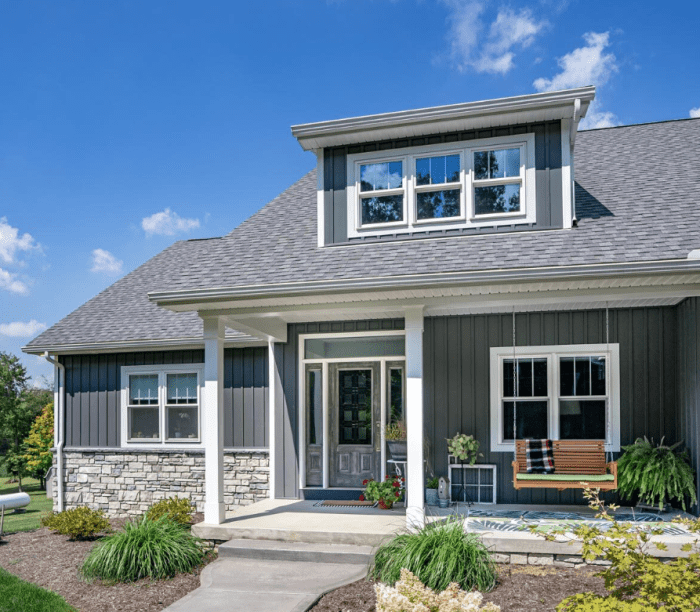
When it comes to sustainable urban living, energy efficiency is a key factor to consider in order to reduce environmental impact and save on utility costs. Eco-friendly siding options can play a significant role in improving the energy efficiency of homes by providing better insulation.
Insulation Properties of Sustainable Siding Materials
One of the main benefits of eco-friendly siding materials is their superior insulation properties compared to traditional options. Materials such as insulated vinyl, fiber cement, and engineered wood can help maintain a comfortable indoor temperature by reducing heat loss in the winter and heat gain in the summer. This can lead to lower energy consumption for heating and cooling, ultimately resulting in reduced energy bills.
Reducing Energy Bills with Eco-Friendly Siding
- Insulated Vinyl Siding: Insulated vinyl siding can help reduce energy bills by providing a barrier against heat transfer, keeping the interior of the home at a consistent temperature.
- Fiber Cement Siding: Fiber cement siding is known for its durability and thermal resistance, helping to decrease energy usage for heating and cooling.
- Engineered Wood Siding: Engineered wood siding offers excellent insulation properties, contributing to energy savings and a more sustainable living environment.
Aesthetics and Design Considerations
When it comes to eco-friendly siding options for urban homes, aesthetics and design considerations play a crucial role in creating a sustainable and visually appealing living space. Incorporating sustainable siding materials into modern urban design not only enhances the overall look of the home but also contributes to a more environmentally friendly lifestyle.Innovative Designs with Eco-Friendly Siding
- Using reclaimed wood siding to add a rustic charm to a contemporary urban home.
- Opting for fiber cement siding with a variety of textures and finishes for a sleek and modern look.
- Exploring the use of metal siding panels for a unique and industrial aesthetic.
- Incorporating bamboo siding to bring a touch of natural warmth and sustainability to urban architecture.
End of Discussion
In conclusion, Eco-Friendly Home Improvement Siding Options for Sustainable Urban Living offer a harmonious blend of functionality, sustainability, and aesthetic appeal. With proper installation, maintenance, and design considerations, these eco-friendly siding materials can truly transform urban homes into sustainable havens.
FAQ Summary
What are the common eco-friendly siding materials used for urban living?
Common eco-friendly siding materials include recycled wood, fiber cement, metal, and engineered wood. These materials offer sustainability without compromising on durability and aesthetics.
How can I prolong the lifespan of eco-friendly siding options?
Regular cleaning, timely repairs, and proper maintenance are key factors in prolonging the lifespan of eco-friendly siding materials. Additionally, ensuring good ventilation and drainage around the siding can prevent moisture-related damage.
Do eco-friendly siding options really help in reducing energy bills?
Yes, eco-friendly siding materials with good insulation properties can contribute to better energy efficiency in urban homes. By reducing heat transfer and improving thermal regulation, these siding options can lead to lower energy consumption and reduced bills.